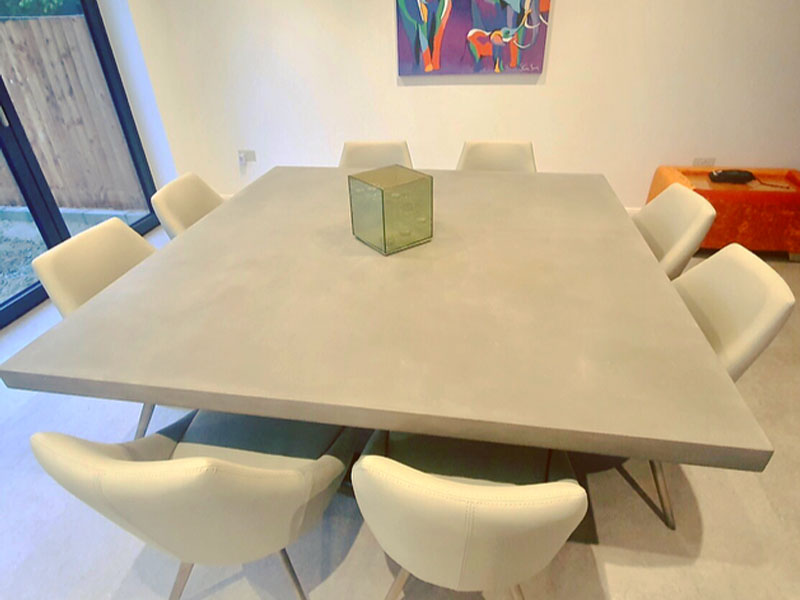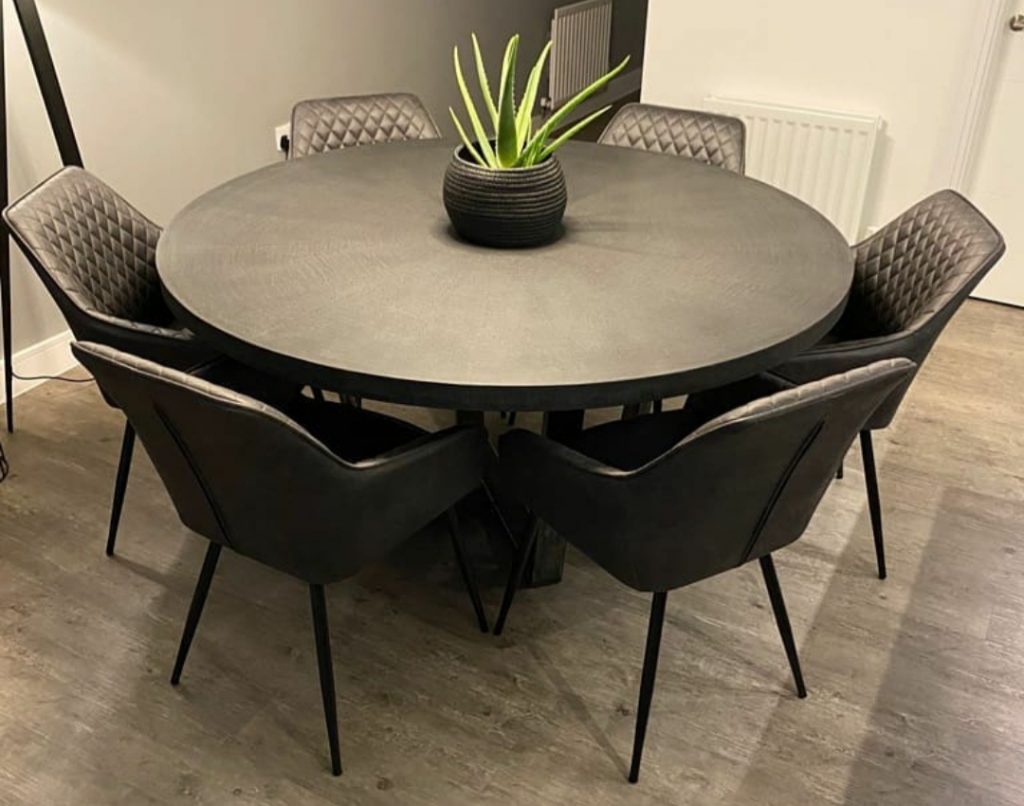


A dining table is often chosen after the kitchen is finished, the flooring is down and the room has begun to reveal its proportions. That is exactly why a bespoke table maker comparison review should look beyond a beautiful photograph. The right maker must be able to translate your room, your household and the way you entertain into a table that feels made for the space – because it is.
For a renovated kitchen, an open-plan dining room or a forever home, the table has to work hard. It needs enough room for weekday suppers, birthday gatherings and the occasional crowd around a Sunday roast. It must also hold its own visually against considered joinery, stone worktops and architectural lighting. Comparing makers properly is how you avoid buying a statement piece that is either impractical or merely impressive at first glance.
Bespoke table maker comparison review: start with the material
The material is not a surface-level decision. It shapes the table’s appearance, its feel in daily use, the maintenance required and the character it develops over time.
Solid timber brings warmth, grain and a familiar sense of comfort. It can be an excellent choice for traditional schemes or homes that favour a softer, layered look. However, timber can move with changes in temperature and humidity, and the finish needs thoughtful care. Ask how the maker selects, joins and seasons the timber, not simply which species they offer.
Stone provides weight and natural variation, but a large stone top can be vulnerable at edges and may require more attention around acidic spills. Ceramic and sintered stone are highly practical, often with excellent scratch and stain resistance, though they can feel more manufactured and their edge profiles may be limited.
Polished concrete occupies a distinctive middle ground. It has the sculptural presence and mineral depth of an architectural material, yet it can be cast into made-to-measure forms rather than cut from a fixed slab. A well-made concrete table is sealed for everyday dining, with a hand-finished surface that reveals subtle movement rather than a repetitive printed pattern. It is not intended to imitate marble or timber. Its appeal is its own quiet, urban character.
When comparing materials, ask to see full-size samples in natural light. Small swatches cannot show how a finish responds across a two-metre table, nor how its colour sits beside your cabinetry, flooring and chairs.
Judge the build, not just the render
A bespoke maker should be able to explain how the table is constructed. This matters particularly with large 8, 10 and 12 seater designs, where the top, base and fixing method all affect stability and delivery.
Start with the tabletop. Is it a solid material, a veneer, a composite or a layered construction? None is automatically better in every setting, but the answer should be clear. With concrete, ask about the thickness, reinforcement, curing process and sealant. A convincing maker will describe the practical thinking behind the finished piece, including how it is supported and protected.
Then consider the base. A pedestal can make it easier to seat people around the corners and reduce the battle with table legs. A central steel frame can create a lighter silhouette beneath a substantial top. Four legs may suit a more classic dining layout, but their position needs to leave comfortable space for chairs. The most striking base is not always the most accommodating one.
Hand finishing is also worth understanding. Bespoke work should retain consistency in the details that matter – level surfaces, neatly resolved edges, secure joints and balanced proportions – while preserving the slight individuality that makes a handmade piece feel alive. Be wary of claims of craftsmanship unsupported by workshop imagery, project photographs or clear information about who makes the table.
The difference between bespoke and made-to-order
These terms are often used interchangeably, but they are not quite the same. Made-to-order commonly means choosing from fixed sizes, finishes and legs. This can be an intelligent route when a standard 6, 8 or 10 seater configuration already suits the room. It is usually more price-efficient and can reduce the lead time.
A genuinely bespoke commission begins with the room. You may alter the length and width by centimetres, choose a softer corner radius, specify an oval or racetrack shape, adjust the edge detail, select a colour tone and match the base to your chairs or kitchen hardware. That freedom is valuable when your dining area has an awkward footprint, a banquette, a narrow walkway or a very particular visual brief.
The trade-off is simple: more choice needs more decisions. A good maker guides those decisions rather than leaving you to assemble a table from a long list of options.
Compare dimensions with real-life seating
Many disappointing table purchases begin with an optimistic seating count. A table described as seating eight may technically do so, but it may not give eight adults enough elbow room for a relaxed meal.
As a useful starting point, allow around 60cm of table width per person for comfortable everyday dining. You also need space for chairs to pull back, usually at least 90cm from the table edge to a wall, island or cabinet. In a busy family kitchen, extra circulation space can matter more than adding one more place setting.
Ask each maker to discuss the whole footprint, not just the tabletop. Provide a plan, room measurements, photos and the dimensions of existing chairs if you intend to keep them. The best recommendation may be a slightly narrower table with a carefully chosen base, or an oval shape that improves flow without sacrificing generous seating.
For an especially long table, check whether the maker will advise on proportion. A top can be large enough for twelve people yet still look elegant if its width, thickness and leg arrangement are considered as one composition.
Look for honest guidance on weight, care and use
Premium furniture should not arrive with a list of alarming restrictions. Equally, no natural or hand-finished material is entirely carefree. A reliable comparison review considers whether the maker sets realistic expectations.
Concrete is hard-wearing and, when properly sealed, suited to daily family life. It should still be treated as a finished furniture surface: wipe spills promptly, use mats for very hot cookware and avoid harsh cleaning chemicals. A maker should explain what happens if the sealant eventually needs refreshing and whether the surface can be repaired or refinished.
Weight deserves a direct conversation. A concrete dining table has a reassuring solidity, but access must be planned. Can it travel through the hallway, upstairs or into a first-floor flat? Does the top arrive in sections? Is the base fitted on site? A polished commission is only complete when it is placed safely and correctly in the room.
This is also where cheaper quotes can become misleading. Confirm whether the price includes delivery, careful installation, packaging removal and any access assessment. A lower figure that ends at kerbside is not the same service as white-glove placement in a finished home.
Assess the maker’s process and proof
A table commission should feel personal, but it should not feel vague. Compare how makers handle the journey from initial enquiry to installation. You are looking for clear communication, considered advice and confidence without pressure.
Ask when drawings or dimensions are approved, how colour and finish are signed off, what the expected lead time is and when payment stages fall. Bespoke work takes time because each piece is planned and made for one client. The important point is not finding the shortest lead time at any cost; it is knowing what is happening and when.
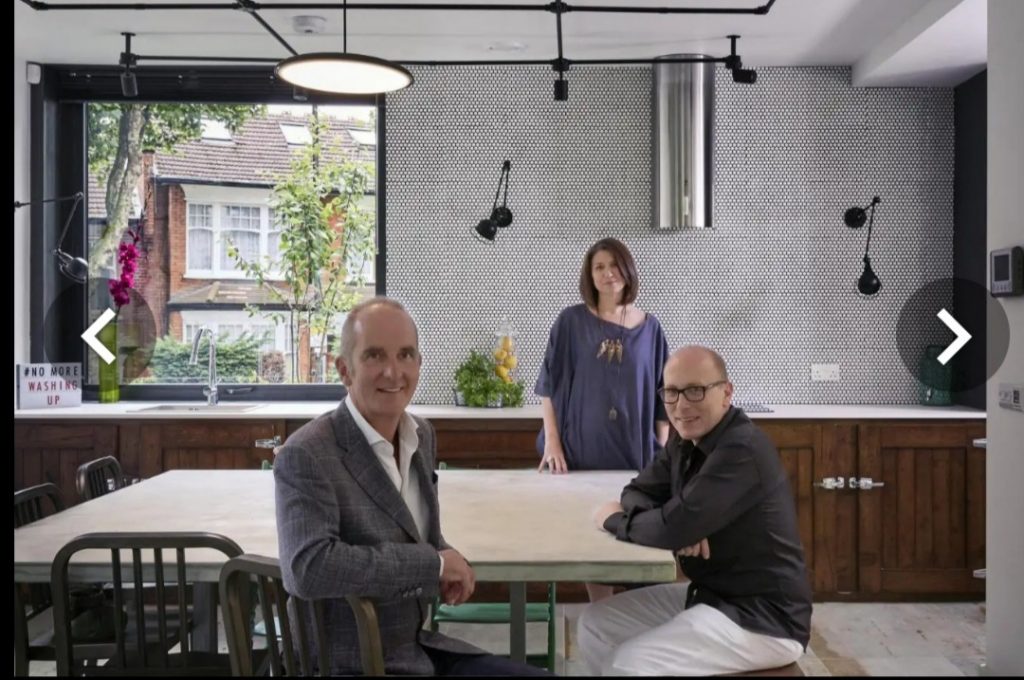
Photographs of completed projects are useful, especially when they show tables in lived-in kitchens rather than only empty studio settings. Testimonials can reveal whether the maker was responsive when access was challenging, whether delivery teams treated the home carefully and whether the final table matched the client’s expectations.
Daniel Polished Concrete has delivered more than 2,500 bespoke projects across the UK and Europe, but the most relevant proof remains the conversation about your own room. A specialist should be prepared to discuss shape, scale, finish and practical access in detail before you commit.
Choose value, not the lowest figure
A bespoke dining table is a long-term piece of furniture, so compare quotations line by line. Check the size, material specification, finish, base, delivery, installation and aftercare. If one price is notably lower, find out what has been omitted or simplified.
The right choice depends on your priorities. A standard collection table may offer the strongest value if its proportions fit your room perfectly. A full bespoke commission is often the better investment where a few centimetres, a particular shape or a carefully matched finish will change how the room works and feels every day.
Before choosing, stand in the space with masking tape marking the proposed footprint. Pull out chairs, walk around it and imagine the room at its busiest. Then start your build with a maker who listens as carefully to the practical details as they do to the design brief.