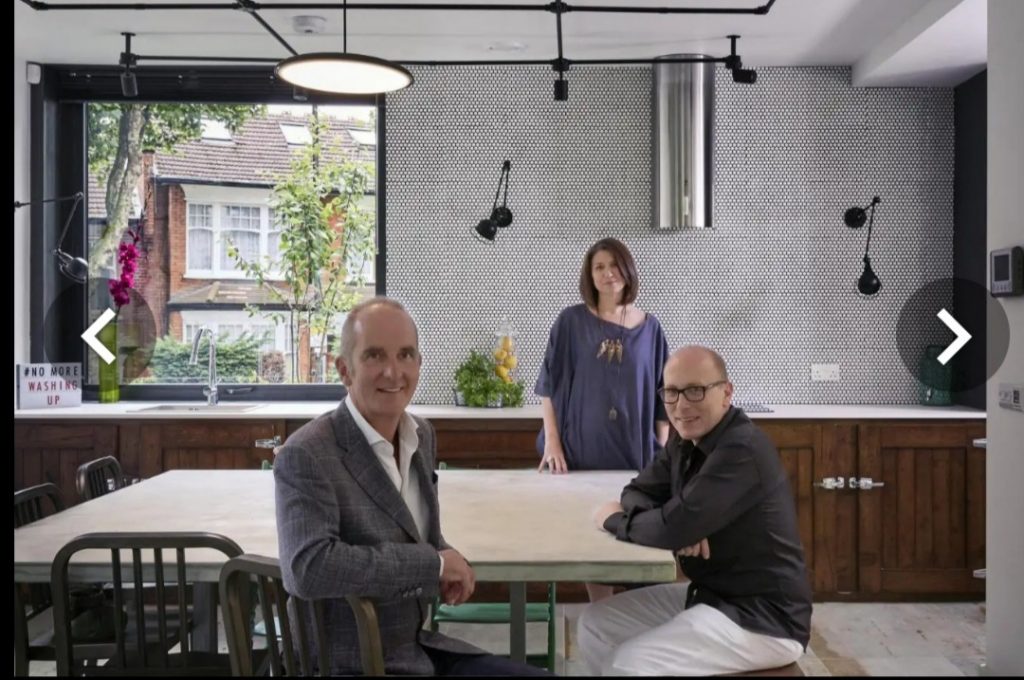

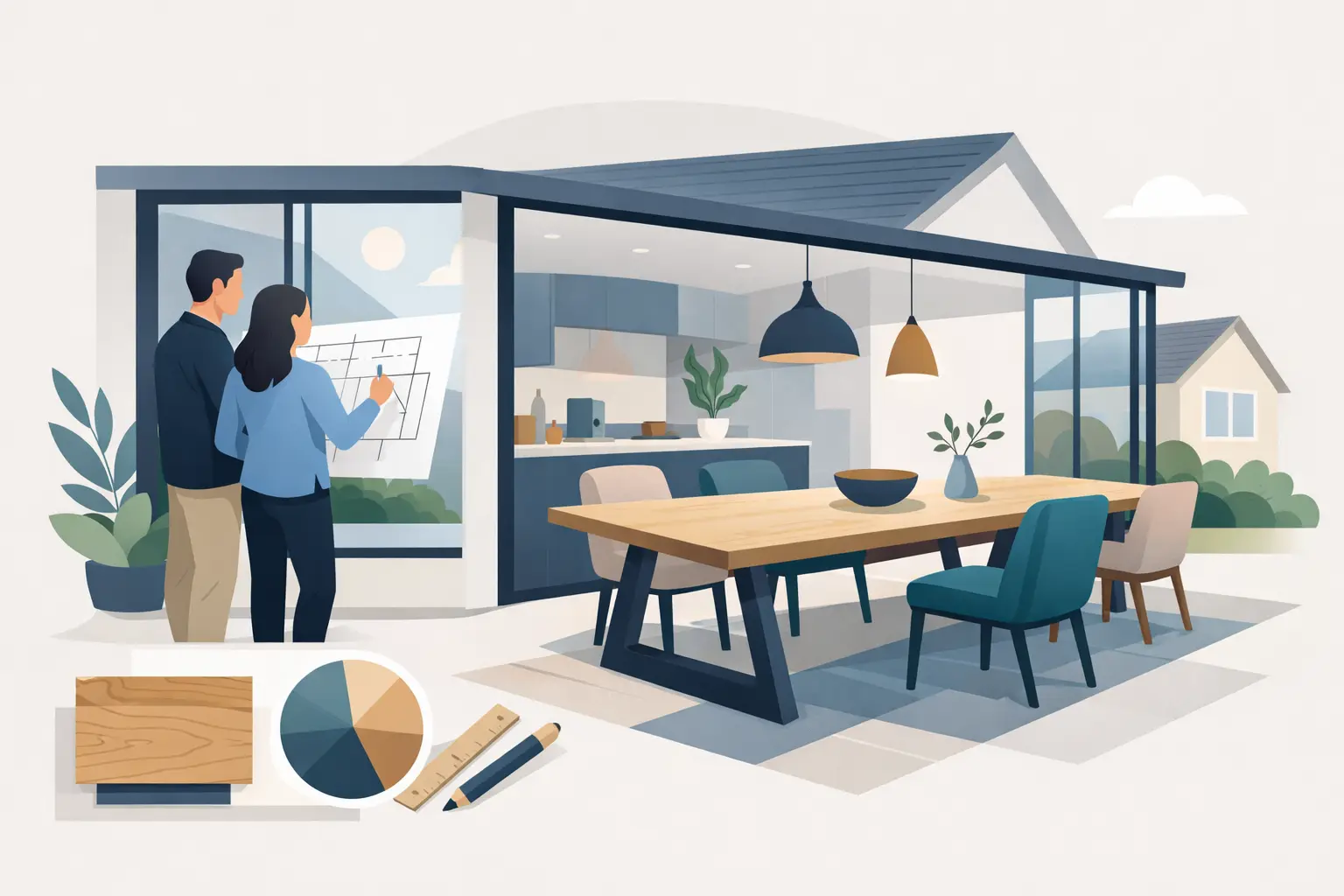
Choosing a Bespoke Table for Extension Projects

Uncategorized
Choosing a Bespoke Table for Extension Projects

An extension can transform how a home feels, but it also creates a question that standard furniture rarely answers properly: what should sit at the heart of the new room? A bespoke table for an extension project gives you the freedom to design around the space you have created, rather than compromising the room to suit an off-the-shelf size.

For a kitchen extension, garden room or open-plan dining area, the table is often the piece that brings everyone together. It needs to look considered from every angle, work for weekday breakfasts and busy family suppers, and still hold its own when friends gather for a long evening around the table. Polished concrete offers that balance of urban design, everyday strength and unmistakable character.

Start with the room, not a standard table size

It is tempting to begin by deciding whether you need a six, eight or ten seater. The better starting point is the room itself. Measure the finished footprint, including kitchen islands, door swings, bi-fold doors, radiators and the route from cooking space to dining chairs. An extension may look generous while empty, yet feel tight once chairs are pulled out and people are moving through it.

As a useful guide, allow around 900mm between the edge of the tabletop and a wall, cabinet or other fixed obstruction. This gives enough room to sit down comfortably and pass behind a seated guest. In a more active family kitchen, 1,000mm to 1,100mm can make the room feel far more relaxed.

The key advantage of a made-to-measure concrete table is that dimensions do not need to follow a catalogue. A room that will not accommodate a conventional 2.4-metre dining table might work beautifully with a slightly narrower top, a softened oval end or a base set further in from the corners. Small adjustments have a major effect on circulation without reducing the table’s presence.

Bespoke table for extension project: proportion matters

A substantial table is a natural fit for a large extension, particularly where high ceilings, roof lanterns and expansive glazing can make smaller furniture appear lost. Yet scale is about more than making the biggest possible statement. The tabletop, legs, chairs and surrounding kitchen all need to feel visually connected.

In a long, narrow extension, a rectangular table usually follows the room’s architecture best. It creates a clear dining zone and makes efficient use of length. If the room opens into a wider kitchen or living area, an oval or rounded rectangular top can soften the layout and make movement around the ends easier, especially where young children are part of everyday life.

For square extensions, a round or square table can create an intimate, sociable arrangement. Larger families may still prefer a long rectangle, but the base design becomes particularly important. A centrally positioned pedestal or inset steel frame can free up leg room and make it easier to place chairs where they are needed.

The choice is not simply aesthetic. A slim tabletop may suit a refined, minimalist scheme, while a deeper concrete profile gives a table more architectural weight. In a room with chunky timber beams, exposed brick or a statement kitchen island, that added substance can feel exactly right. In a quieter, pale-toned interior, a slimmer edge may preserve lightness.

Choose a finish that belongs in the scheme

Polished concrete is not a single look. Every table is hand-finished, and that individuality is one of the material’s great strengths. Subtle tonal movement, gentle clouding and small natural variations give the surface depth that manufactured dining tables often lack.

A lighter grey finish can sit comfortably alongside oak cabinetry, warm plaster walls and soft neutral fabrics. Darker charcoal tones bring drama to contemporary kitchens, especially when paired with black-framed glazing, smoked glass or dark metal details. For homes with a warmer palette, the right concrete mix can introduce softer mineral undertones rather than a cold industrial feel.

It is worth considering the light at different times of day. A south-facing extension can handle deeper tones without becoming oppressive, while a room with less direct daylight may benefit from a lighter surface that reflects more of what is available. Samples and photographs are helpful, but the surrounding materials matter just as much: floor finish, worktops, cabinetry, wall colour and chairs all influence the final effect.

Concrete also gives an extension a useful counterpoint. In a room dominated by smooth cabinetry and large panes of glass, its tactile hand-finished surface adds texture and permanence. It stops a new-build-style space from feeling too polished or overly uniform.

Design for the way you actually host

The right number of seats depends on more than household size. Consider how often you host, whether you prefer generous spacing or a closer, bustling dining atmosphere, and whether the table will double as a homework station, work-from-home desk or serving surface at family occasions.

For everyday use, six seats may be ample. But if the extension was built to bring family and friends together, an eight or ten seater is often the better long-term decision. A table can be designed to seat six comfortably for daily life while allowing extra chairs at either end when needed. This avoids buying too small for the occasions that made the extension worthwhile.

Chair choice should be considered early. Dining chairs with arms require more width than armless designs, while upholstered chairs may look generous but take up additional space when pushed back. Bench seating can be practical along a wall or beneath a window, although it is less convenient for guests who need to get in and out independently. There is no universal answer – it depends on the rhythm of your household and how the room will be used.

Think about the base as carefully as the top

A polished concrete tabletop has real visual weight, but the leg style determines much of its practical performance. This is where bespoke design is particularly valuable.

A clean, inset steel frame offers a crisp contemporary profile and gives diners more room at the table ends. A pedestal base can make a round or oval table feel sculptural while removing the problem of table legs meeting chair legs. More substantial architectural legs can create a striking centre piece in a spacious extension, though they need careful positioning so they do not interfere with seating.

The base finish can either blend in or provide contrast. Black powder-coated steel works naturally with modern glazing and industrial details. A lighter or more discreet finish may suit homes where the concrete top should be the main feature. What matters is that the table remains comfortable as well as beautiful. A design that photographs well but leaves guests knocking their knees is not a successful dining table.

Everyday durability without a precious feel

An extension dining table should be used, not protected from life. Polished concrete is valued for its hard-wearing nature and is sealed to help resist everyday staining. It is a practical choice for family meals, coffee cups, craft projects and the occasional celebratory spill, provided it is cared for with sensible habits.

Use placemats or trivets for very hot dishes, wipe spills promptly and avoid harsh abrasive cleaners. Like natural stone, concrete rewards straightforward care rather than complicated maintenance. Its appearance can develop subtly over time, adding to the sense that the piece belongs to the home rather than arriving as a perfectly identical product.

Weight is also worth discussing early in an extension project. A concrete table is a substantial piece of furniture, and access needs to be planned before delivery day. Door widths, steps, side access, stair turns and finished flooring should all be considered. A specialist maker can advise on the practicalities of delivery and installation so the final stage feels properly organised.

Make the table part of the build plan

The best time to commission a dining table is usually before the extension is fully complete. By then, the floorplan and key finishes are established, but there is still time to refine dimensions, decide on the base and ensure delivery works around the final stages of the build.

At Daniel Polished Concrete, every bespoke commission begins with the room and the people using it. The aim is not simply to fill a dining area, but to create a table with the correct scale, finish and character for that particular home.

Bring rough plans, photographs, measurements and a clear idea of how you want to live in the new space. From there, the right table tends to reveal itself: a hand-finished concrete piece that gives the extension a genuine focal point and a reason to gather around it for years to come.

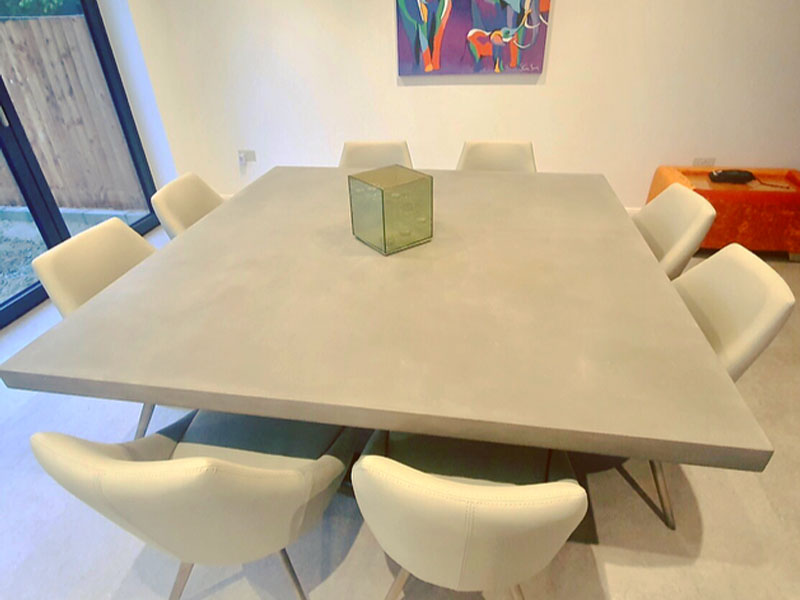
Rectangle Dining Tables

Square Dining Tables

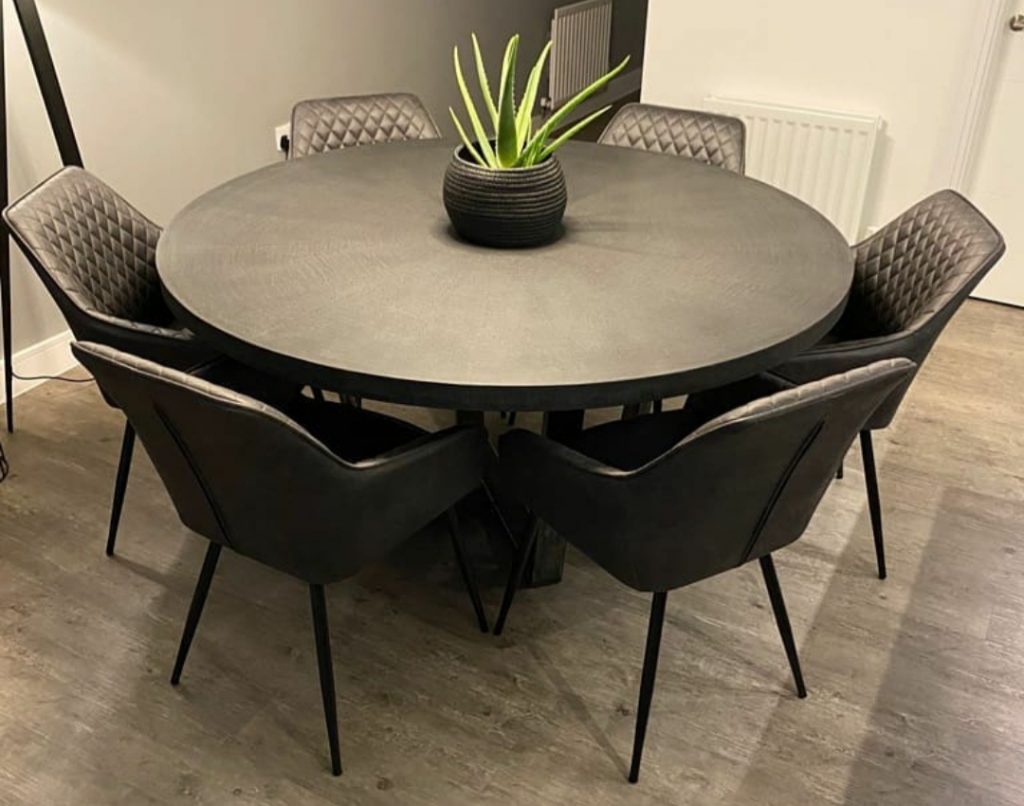
Round Dining Tables

Concrete Tables Gallery

Choosing a Bespoke Table for Extension Projects

Uncategorized
Choosing a Bespoke Table for Extension Projects

An extension can transform how a home feels, but it also creates a question that standard furniture rarely answers properly: what should sit at the heart of the new room? A bespoke table for an extension project gives you the freedom to design around the space you have created, rather than compromising the room to suit an off-the-shelf size.

For a kitchen extension, garden room or open-plan dining area, the table is often the piece that brings everyone together. It needs to look considered from every angle, work for weekday breakfasts and busy family suppers, and still hold its own when friends gather for a long evening around the table. Polished concrete offers that balance of urban design, everyday strength and unmistakable character.

Start with the room, not a standard table size

It is tempting to begin by deciding whether you need a six, eight or ten seater. The better starting point is the room itself. Measure the finished footprint, including kitchen islands, door swings, bi-fold doors, radiators and the route from cooking space to dining chairs. An extension may look generous while empty, yet feel tight once chairs are pulled out and people are moving through it.

As a useful guide, allow around 900mm between the edge of the tabletop and a wall, cabinet or other fixed obstruction. This gives enough room to sit down comfortably and pass behind a seated guest. In a more active family kitchen, 1,000mm to 1,100mm can make the room feel far more relaxed.

The key advantage of a made-to-measure concrete table is that dimensions do not need to follow a catalogue. A room that will not accommodate a conventional 2.4-metre dining table might work beautifully with a slightly narrower top, a softened oval end or a base set further in from the corners. Small adjustments have a major effect on circulation without reducing the table’s presence.

Bespoke table for extension project: proportion matters

A substantial table is a natural fit for a large extension, particularly where high ceilings, roof lanterns and expansive glazing can make smaller furniture appear lost. Yet scale is about more than making the biggest possible statement. The tabletop, legs, chairs and surrounding kitchen all need to feel visually connected.

In a long, narrow extension, a rectangular table usually follows the room’s architecture best. It creates a clear dining zone and makes efficient use of length. If the room opens into a wider kitchen or living area, an oval or rounded rectangular top can soften the layout and make movement around the ends easier, especially where young children are part of everyday life.

For square extensions, a round or square table can create an intimate, sociable arrangement. Larger families may still prefer a long rectangle, but the base design becomes particularly important. A centrally positioned pedestal or inset steel frame can free up leg room and make it easier to place chairs where they are needed.

The choice is not simply aesthetic. A slim tabletop may suit a refined, minimalist scheme, while a deeper concrete profile gives a table more architectural weight. In a room with chunky timber beams, exposed brick or a statement kitchen island, that added substance can feel exactly right. In a quieter, pale-toned interior, a slimmer edge may preserve lightness.

Choose a finish that belongs in the scheme

Polished concrete is not a single look. Every table is hand-finished, and that individuality is one of the material’s great strengths. Subtle tonal movement, gentle clouding and small natural variations give the surface depth that manufactured dining tables often lack.

A lighter grey finish can sit comfortably alongside oak cabinetry, warm plaster walls and soft neutral fabrics. Darker charcoal tones bring drama to contemporary kitchens, especially when paired with black-framed glazing, smoked glass or dark metal details. For homes with a warmer palette, the right concrete mix can introduce softer mineral undertones rather than a cold industrial feel.

It is worth considering the light at different times of day. A south-facing extension can handle deeper tones without becoming oppressive, while a room with less direct daylight may benefit from a lighter surface that reflects more of what is available. Samples and photographs are helpful, but the surrounding materials matter just as much: floor finish, worktops, cabinetry, wall colour and chairs all influence the final effect.

Concrete also gives an extension a useful counterpoint. In a room dominated by smooth cabinetry and large panes of glass, its tactile hand-finished surface adds texture and permanence. It stops a new-build-style space from feeling too polished or overly uniform.

Design for the way you actually host

The right number of seats depends on more than household size. Consider how often you host, whether you prefer generous spacing or a closer, bustling dining atmosphere, and whether the table will double as a homework station, work-from-home desk or serving surface at family occasions.

For everyday use, six seats may be ample. But if the extension was built to bring family and friends together, an eight or ten seater is often the better long-term decision. A table can be designed to seat six comfortably for daily life while allowing extra chairs at either end when needed. This avoids buying too small for the occasions that made the extension worthwhile.

Chair choice should be considered early. Dining chairs with arms require more width than armless designs, while upholstered chairs may look generous but take up additional space when pushed back. Bench seating can be practical along a wall or beneath a window, although it is less convenient for guests who need to get in and out independently. There is no universal answer – it depends on the rhythm of your household and how the room will be used.

Think about the base as carefully as the top

A polished concrete tabletop has real visual weight, but the leg style determines much of its practical performance. This is where bespoke design is particularly valuable.

A clean, inset steel frame offers a crisp contemporary profile and gives diners more room at the table ends. A pedestal base can make a round or oval table feel sculptural while removing the problem of table legs meeting chair legs. More substantial architectural legs can create a striking centre piece in a spacious extension, though they need careful positioning so they do not interfere with seating.

The base finish can either blend in or provide contrast. Black powder-coated steel works naturally with modern glazing and industrial details. A lighter or more discreet finish may suit homes where the concrete top should be the main feature. What matters is that the table remains comfortable as well as beautiful. A design that photographs well but leaves guests knocking their knees is not a successful dining table.

Everyday durability without a precious feel

An extension dining table should be used, not protected from life. Polished concrete is valued for its hard-wearing nature and is sealed to help resist everyday staining. It is a practical choice for family meals, coffee cups, craft projects and the occasional celebratory spill, provided it is cared for with sensible habits.

Use placemats or trivets for very hot dishes, wipe spills promptly and avoid harsh abrasive cleaners. Like natural stone, concrete rewards straightforward care rather than complicated maintenance. Its appearance can develop subtly over time, adding to the sense that the piece belongs to the home rather than arriving as a perfectly identical product.

Weight is also worth discussing early in an extension project. A concrete table is a substantial piece of furniture, and access needs to be planned before delivery day. Door widths, steps, side access, stair turns and finished flooring should all be considered. A specialist maker can advise on the practicalities of delivery and installation so the final stage feels properly organised.

Make the table part of the build plan

The best time to commission a dining table is usually before the extension is fully complete. By then, the floorplan and key finishes are established, but there is still time to refine dimensions, decide on the base and ensure delivery works around the final stages of the build.

At Daniel Polished Concrete, every bespoke commission begins with the room and the people using it. The aim is not simply to fill a dining area, but to create a table with the correct scale, finish and character for that particular home.

Bring rough plans, photographs, measurements and a clear idea of how you want to live in the new space. From there, the right table tends to reveal itself: a hand-finished concrete piece that gives the extension a genuine focal point and a reason to gather around it for years to come.
Rectangle Dining Tables

Square Dining Tables

Round Dining Tables

Concrete Tables Gallery

Menu