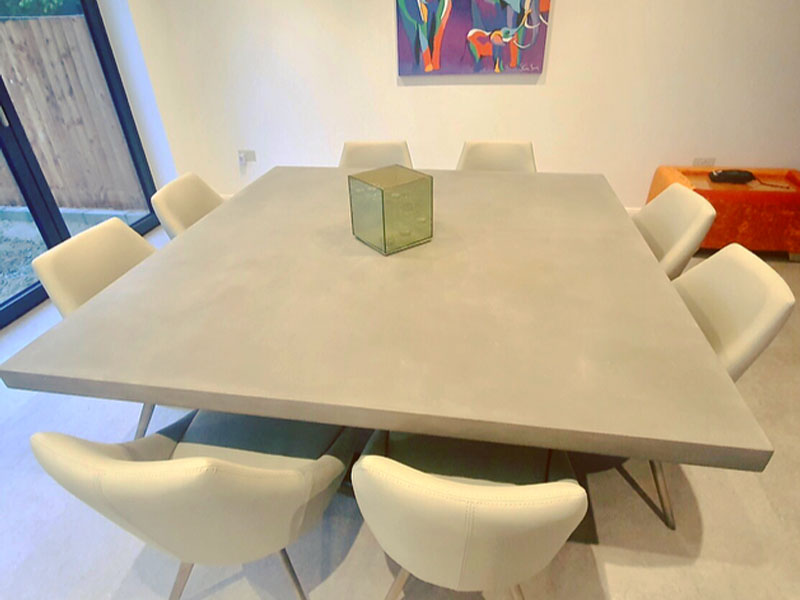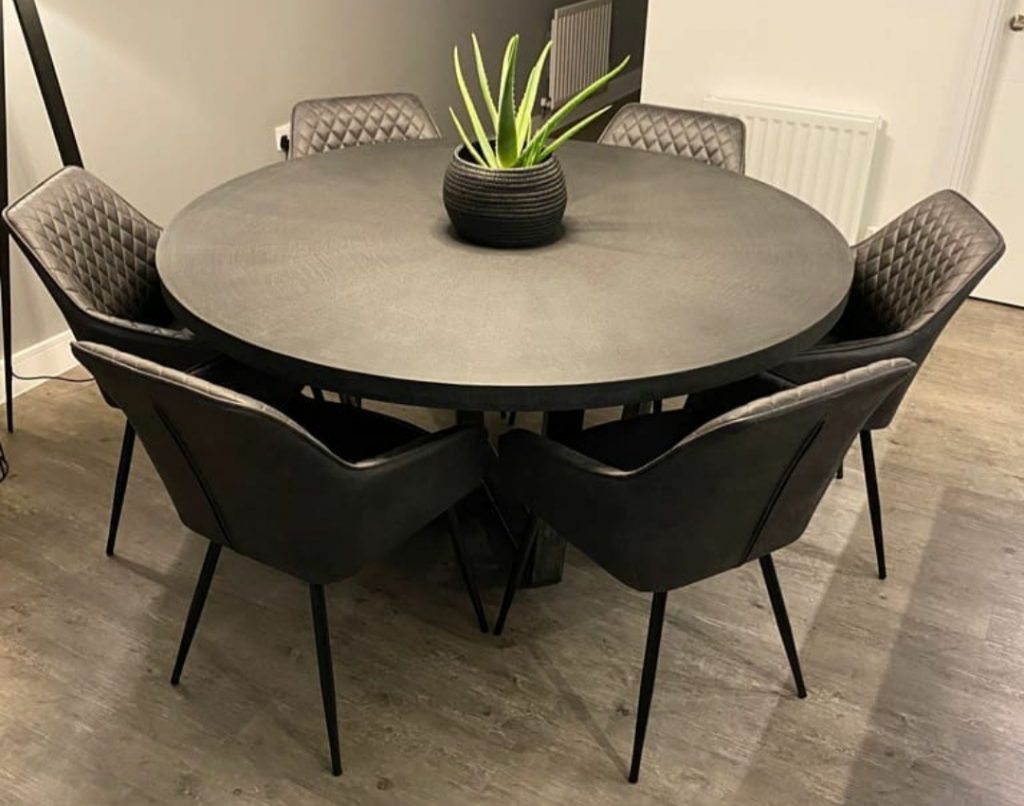


A polished concrete dining table earns its place quickly. It becomes the surface for quick breakfasts, long Sunday lunches, working from home, homework, birthday candles and the odd red wine spill when the evening runs on. That is why concrete table maintenance matters less as a chore and more as a simple way to protect a piece that is designed to be both a practical workhorse and a striking centre piece.
The good news is that polished concrete is far easier to live with than many people expect. When properly made and sealed, it is durable, stain resistant and highly suited to everyday family life. It is not fragile, but it is a handcrafted material with natural character, and that means a little care goes a long way.
What concrete table maintenance really involves
Most owners imagine maintenance means specialist products and constant attention. In reality, concrete table maintenance is usually about three things – cleaning it properly, protecting the sealer and responding quickly when accidents happen.
A polished concrete table does not need fussy treatment. Day to day, a soft damp cloth is usually enough to remove dust, crumbs and general marks. For a more thorough clean, use warm water with a mild pH-neutral soap. That keeps the surface fresh without gradually wearing down the protective seal.
The key point is to treat the table as a premium finished surface rather than a raw slab. The concrete itself has strength and density, but the finished top relies on its sealer to resist moisture, oils and food staining. If you preserve that layer, the table will continue to perform beautifully.
Everyday care for a polished concrete dining table
In a busy kitchen-diner or open-plan family space, easy habits make the biggest difference. Wipe spills promptly, especially anything acidic or strongly coloured. Lemon juice, vinegar, tomato-based sauces, coffee and red wine are the usual culprits. A sealed polished concrete table will resist a lot, but leaving these substances to sit for hours is never ideal.
Use placemats and coasters when it makes sense. That does not mean you need to wrap the table in cotton wool. It simply reduces avoidable wear from hot dishes, abrasive bases and repeated moisture rings from glasses or mugs. If you are serving straight from the oven, use a proper heat mat or trivet rather than placing cookware directly onto the surface.
For families, this balance matters. A dining table should be lived with, not tiptoed around. Good maintenance is not about making the piece precious. It is about preserving the finish while still enjoying the table exactly as it was intended.
The cleaners to avoid
Harsh chemicals are usually the biggest mistake. Bleach, abrasive cream cleaners, descalers and strong bathroom or kitchen sprays can all damage the sealer over time. The same goes for scouring pads and rough scrubbers, which can dull the finish and create unnecessary wear.
Natural cleaning hacks are not always as gentle as they sound either. White vinegar may be popular as a household cleaner, but it is acidic and not a good choice for sealed concrete surfaces. If in doubt, keep it simple – soft cloth, warm water, mild soap.
Dealing with stains, marks and minor wear
Even well-cared-for tables pick up the occasional mark. That is normal. The right response depends on whether the issue sits on the sealer or has managed to penetrate it.
If you notice a fresh mark, clean it first with a damp cloth and mild soap. Often that is all it takes. Greasy residue from food can sometimes need a second gentle wipe rather than heavier cleaning products.
For more stubborn marks, avoid the temptation to scrub harder. Aggressive cleaning can do more harm than the stain itself. A specialist cleaner approved for sealed concrete may help, but only if it is suitable for the specific finish. If you are unsure, asking the maker is the safer route.
Small signs of wear do not necessarily mean the concrete is damaged. They may simply indicate that the sealer is beginning to tire in a high-use area, particularly around the most frequently used seats. That is not a flaw. It is part of how any hand-finished dining surface ages with real life.
Patina or problem?
This is where expectations matter. Concrete is not plastic laminate, and that is exactly why many clients choose it. A polished concrete top has depth, movement and subtle tonal variation. Over time, it may develop a little patina that reflects use.
For some households, that lived-in character adds to the appeal. For others, especially if the table is part of a tightly considered interior scheme, keeping the finish looking crisp is the priority. Neither view is wrong. It simply affects how proactive you want to be with ongoing care and resealing.
When to reseal a concrete table
Resealing is the part of concrete table maintenance that owners ask about most often. A sealed table does not need constant reworking, but no protective finish lasts forever. How often resealing is needed depends on the table’s use, the type of sealer applied and how carefully the surface has been treated.
In a formal dining room used mainly at weekends, the sealer may stay in excellent condition for quite some time. In a busy family kitchen where the table sees three meals a day, laptops, school projects and endless cups of tea, it may need attention sooner.
A simple sign is how the surface reacts to water. If water still beads lightly on top for a short time, the protective layer is likely doing its job. If moisture darkens the surface quickly or seems to soak in, the sealer may be wearing thin. The same applies if the finish starts to look uneven in frequently used areas.
Resealing is best approached as preventative care rather than rescue work. Done at the right time, it refreshes protection and keeps the table looking its best without major intervention.
How environment affects long-term performance
Concrete is a stable, hard-wearing material, but like any premium furniture piece, it responds best to a sensible home environment. Extreme temperature swings, persistent damp or direct prolonged heat are not ideal.
That usually is not an issue in normal British homes, but placement still matters. If a table sits beside bifold doors in full summer sun or next to a radiator pumping out constant dry heat, the finish may age differently than it would in a more moderate spot. This does not mean avoiding statement placement. It simply means thinking about the whole room, not just the table.
For larger bespoke pieces, especially in open-plan spaces, the supporting base and floor condition matter too. A well-made concrete dining table is substantial by design. Keeping it level and properly positioned helps distribute weight evenly and supports long-term durability.
Concrete table maintenance and design longevity
One of the strengths of polished concrete is that it does not chase fashion too hard. It has an architectural confidence that sits comfortably in contemporary kitchens, period renovations and understated luxury interiors alike. Proper care helps preserve that clean, sculptural quality.
A neglected surface can begin to look flat, tired or blotchy, which changes the whole feel of the room. A well-maintained one keeps its depth, its tactile quality and the visual calm that makes it such a powerful anchor in an interior.
This is especially true with made-to-measure furniture. When a table has been built to suit your room dimensions, chosen leg style, preferred finish and seating needs, it deserves care that matches the thought that went into commissioning it. At Daniel Polished Concrete, that understanding sits at the heart of the process – the table is not just furniture, but a handmade piece designed around the life of the home.
A realistic approach to maintenance
The most useful advice is also the simplest. Clean gently, wipe spills promptly, protect the surface from unnecessary heat and abrasion, and pay attention to the sealer before wear becomes obvious. That is usually enough to keep a polished concrete table performing exactly as it should.
There is always a balance between preserving a pristine finish and allowing a table to gather the quiet evidence of daily life. For most homes, the sweet spot sits somewhere in the middle. A concrete dining table should feel special every time you walk into the room, but it should also be ready for family dinners, guests dropping in and ordinary Tuesday evenings.
Look after it with consistency rather than fuss, and it will keep rewarding you with the same thing that drew you to it in the first place – strength, individuality and a calm, confident presence at the centre of the home.