

A dining table has to earn its place. It needs to hold busy family breakfasts, long Saturday lunches, homework, glasses of red wine and the occasional oversized serving dish, while still looking exceptional when the room is quiet. That is the real test behind this classic collection dining table review: not simply whether polished concrete looks impressive, but whether it makes sense as the working centrepiece of a well-used home.
The Classic Collection is designed for homeowners who want the character of a handcrafted concrete table without beginning with a completely blank page. It offers carefully considered standard configurations for six, eight and ten diners, bringing greater price efficiency and a quicker route to a finished piece than a fully bespoke commission. The result is not off-the-shelf furniture in the usual sense. Each table is hand-finished, with the natural variation and considered detailing that make polished concrete feel architectural rather than mass-produced.
Classic Collection Dining Table Review: The Design
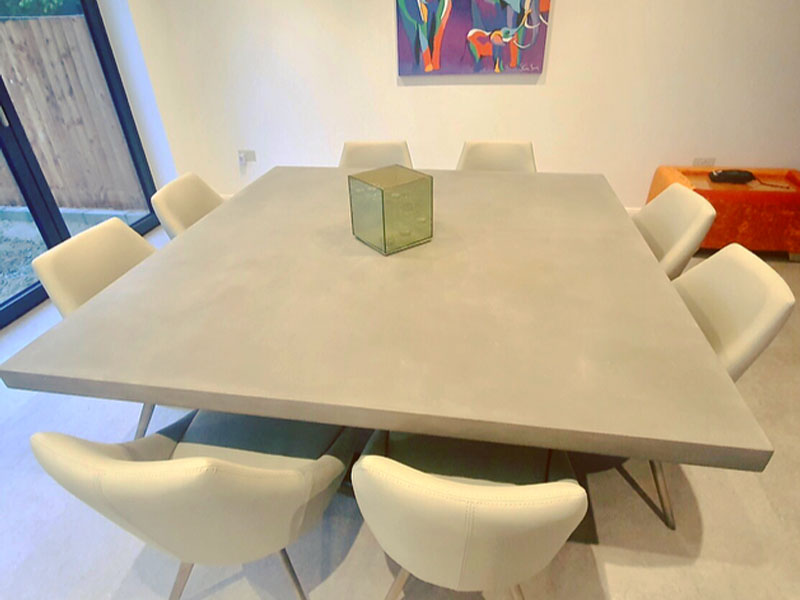
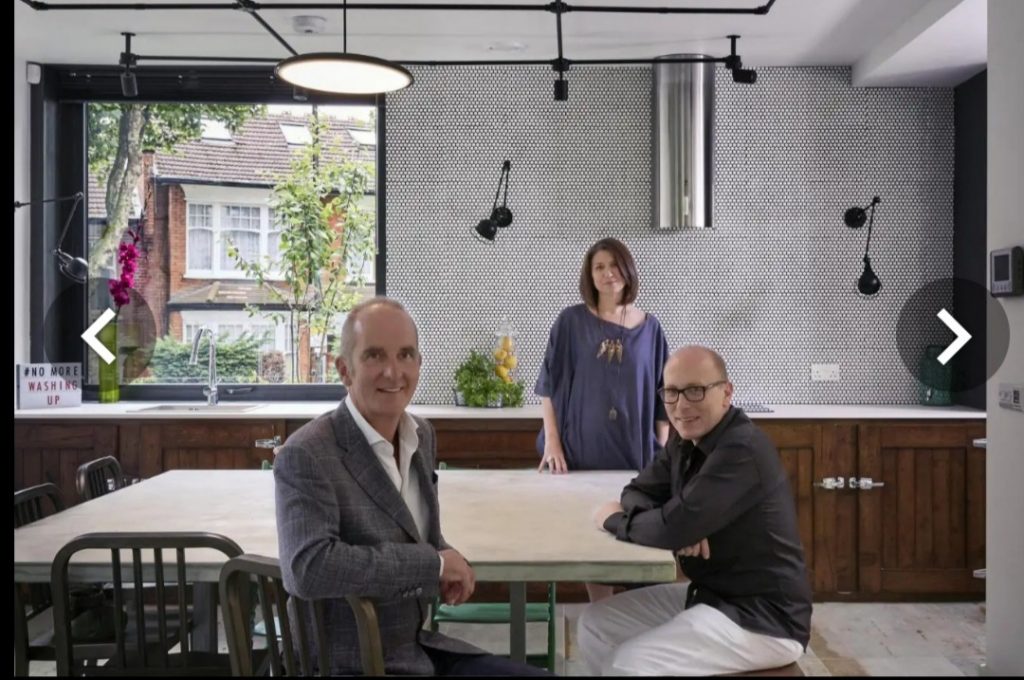
The immediate appeal is visual weight. A polished concrete dining table gives an open-plan kitchen or dining room a clear focal point, particularly where timber cabinetry, steel-framed glazing, brick, plaster or natural stone already shape the scheme. Its surface has depth rather than a flat, factory-perfect uniformity. Fine tonal movement, pinholes and subtle changes in character are part of the material, not flaws to be disguised.
That distinction matters. If you want a glossy, identical finish with no variation between one area and the next, concrete may not be your material. A Classic Collection table is for people who appreciate a hand-finished surface with individuality. It sits comfortably in urban, industrial and contemporary interiors, but it can also bring welcome contrast to softer settings with linen upholstery, oak flooring and warmer lighting.
The collection avoids the uncertainty that can come with choosing every detail from scratch. Proportions have already been developed to look balanced in real dining spaces, while the scale of the top and base is intended to feel substantial without becoming visually clumsy. This is especially useful when a large table is needed: a ten-seater should feel like a stunning centrepiece, not an obstacle that overwhelms the room.
What Everyday Use Feels Like
Concrete has a reputation for being hard, heavy and uncompromising. The first two are fair descriptions. The third is less accurate when the table has been made and finished properly for domestic use.
A polished concrete surface is designed to be durable and stain resistant, making it well suited to the realities of family dining. It does not need the anxious treatment associated with some delicate natural stones or highly lacquered finishes. Day-to-day care is straightforward: wipe spills promptly, use a mild cleaner, and avoid harsh or abrasive products that can damage the protective finish.
There are sensible precautions. Use mats or trivets for very hot pans, avoid dragging rough ceramic bases across the surface, and treat the table as a handcrafted piece rather than a kitchen worktop. These are not demanding rules, but they help preserve the finish over years of use. A concrete dining table is made for living with, not looking at from a distance.
Its weight is also worth understanding before you fall in love with the photographs. This is a positive when the table is in position: it feels grounded, stable and reassuringly permanent. But it means access needs to be considered carefully. Tight turns, narrow staircases, upper-floor dining rooms and restricted entrances all deserve discussion before delivery. Good planning protects both the table and the home.
The surface develops character, not weariness
Polished concrete does not behave like veneered furniture. It has its own material language. With considered care, a hand-finished surface retains its presence while developing the quiet familiarity that comes from being used every day. For many owners, that is part of the attraction. The table becomes more personal with time rather than simply showing age.
This will not suit everyone. Buyers looking for a completely maintenance-free table, or one light enough to move around regularly, may be better served by another material. For a forever home where the dining table is intended to stay put and become part of the architecture of the room, the trade-off is compelling.
Choosing Between Six, Eight and Ten Seats
The strongest practical advantage of the Classic Collection is clarity. Standardised six, eight and ten-seater options make it easier to start with how you actually live, rather than becoming lost in measurements and possibilities.
A six-seater is often the right answer for a kitchen-diner used daily by a smaller household. It gives enough room for relaxed entertaining without demanding a huge footprint. An eight-seater suits families who regularly host, or anyone with a generous open-plan space where the table needs to feel purposeful. A ten-seater makes sense when entertaining is part of the rhythm of the house, whether that means Sunday roasts, celebrations or long evenings with friends.
The number of chairs is only one part of the decision. Allow enough room to pull chairs back comfortably and to walk around the table without squeezing past people. As a useful starting point, aim for around 90cm of clear space from the edge of the table to a wall, cabinet or other fixed furniture. More space is better where the dining area is also a main route through the room.
A larger table can be tempting, especially in a newly renovated space. Yet the best choice is the one that allows the room to breathe. Concrete already brings visual presence, so proportion matters as much as seat count.
Why the Collection Works for Faster Decisions
A fully bespoke table is the right choice when a room has unusual dimensions, an awkward layout, a particular colour palette or a very specific design idea. There is enormous satisfaction in creating something made precisely for one space.
The Classic Collection takes a different route. It concentrates the design decisions into a set of proven formats, so you can invest in the material, craftsmanship and impact of polished concrete without the longer process of specifying every dimension, shape and detail. This can make it an especially appealing choice for homeowners working towards a kitchen installation date or a wider renovation deadline.
That efficiency should not be confused with compromise. The value lies in choosing a well-resolved table design that has been made to work in the homes most people are creating: generous kitchen extensions, garden-facing dining rooms and open-plan living spaces where one exceptional piece needs to carry the room.
Finish and colour in a real interior
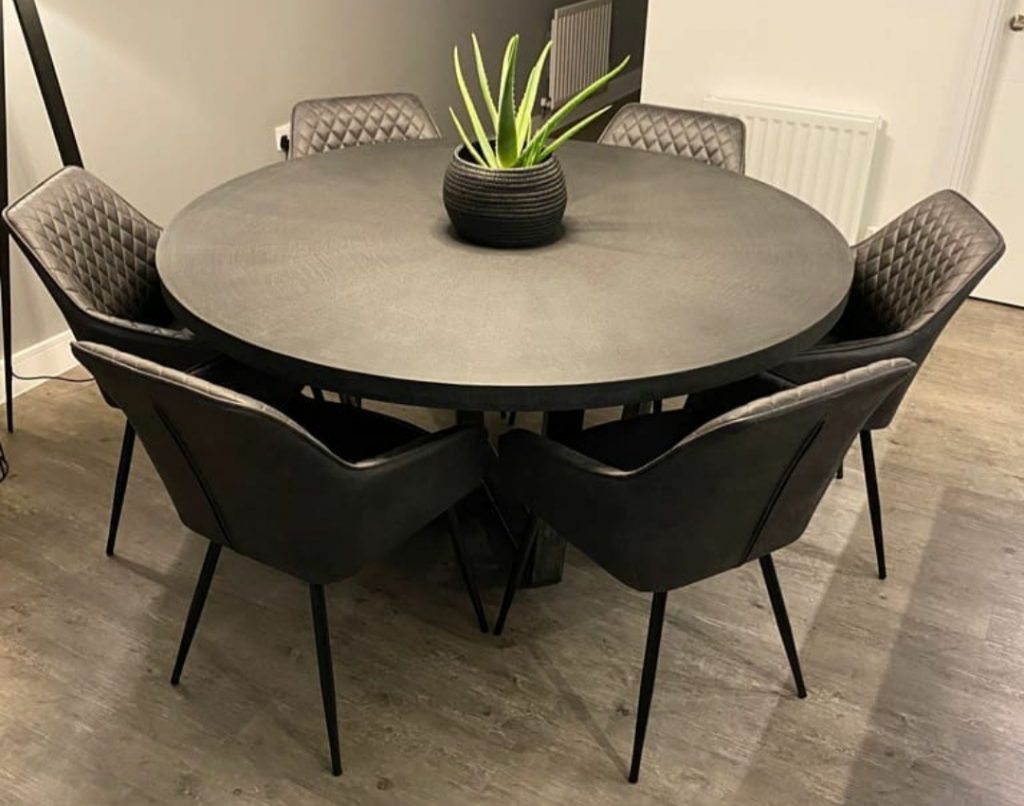
Concrete is often imagined as a single cold grey. In reality, its appearance is shaped by the finish, the surrounding light and the materials around it. Daylight may draw out softer mineral tones, while evening lighting can make the surface appear deeper and more dramatic. A concrete table can look crisp beside black joinery and metalwork, or surprisingly warm beside oak, brass and textured fabrics.
Samples, photographs and a conversation about your room are valuable at this stage. Flooring colour, chair upholstery, pendant lights and even the amount of natural light can alter how a finish reads. The aim is not to match every surface exactly. It is to create a considered relationship between them.
The Honest Verdict
This Classic Collection dining table review comes down to priorities. If you want lightweight furniture, a look that is perfectly uniform, or the freedom to rearrange the dining room every few months, polished concrete is unlikely to be the natural fit. Its appeal is permanence, material character and a strong architectural presence.
For homeowners looking for a hard-wearing table that can handle everyday life while giving a renovated space genuine identity, the collection offers a confident middle ground. You receive the considered proportions and faster decision-making of a standard range, alongside the tactile quality of a table made by specialists rather than a production line.
Daniel Polished Concrete has built more than 2,500 bespoke projects across the UK and Europe, and that depth of material knowledge informs the collection. The details that matter, from finish to delivery planning, are approached with the same care as the dramatic first impression.
Before choosing, measure the room, consider access, picture the number of people who will use the table on an ordinary Tuesday as well as Christmas Day, and be honest about the kind of surface you enjoy living with. The right dining table should not merely fill the available space. It should make gathering there feel like the best part of the house.