

A dining table can look perfect in a showroom and still feel wrong the moment it arrives at home. It might be too small for the room, too bulky around the island, too delicate for family life or simply lacking the presence the space was crying out for. That is exactly why a guide to commissioning bespoke furniture matters. When a piece is made for your room rather than adapted to it, the result feels settled, confident and properly yours.
Commissioning furniture is not only for interior designers or grand country houses. For many homeowners, it is the most sensible route when a kitchen extension, open-plan layout or forever home needs something specific. If you have struggled to find the right size, finish or shape off the shelf, bespoke is often less about extravagance and more about getting it right first time.
Why commissioning bespoke furniture works
The strongest bespoke pieces solve several problems at once. They fit the room properly, suit the way you live and bring a level of individuality that standard furniture rarely can. That matters most in spaces where the table is not a background item but the visual anchor of the room.
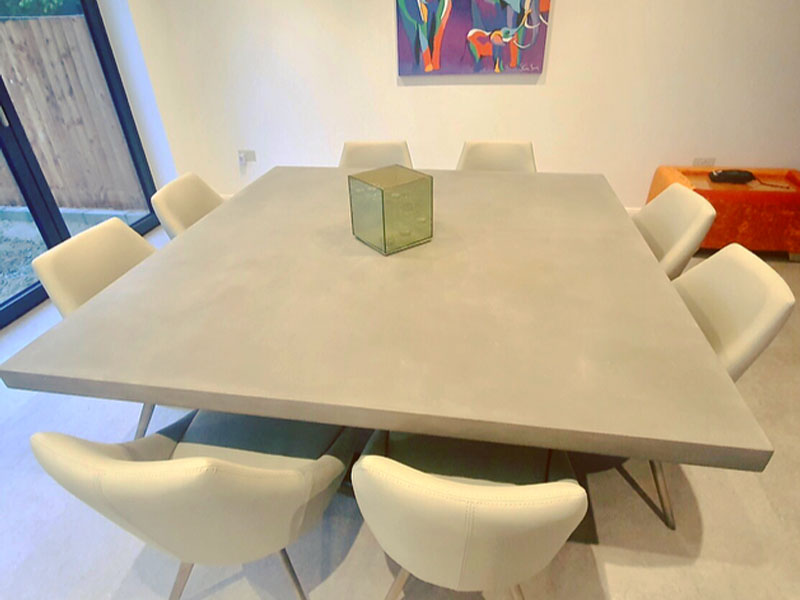
This is especially true with statement materials. A polished concrete dining table, for example, does more than provide a place to eat. It gives a room weight, texture and an architectural edge, while still needing to perform through weekday breakfasts, homework, late suppers and crowded weekends. Bespoke allows those practical and aesthetic demands to be considered together.
Of course, custom furniture also brings decisions. You will need to think more carefully about size, finish and delivery than you would with a quick online purchase. But that extra thought is usually what creates the difference between a piece you tolerate and one you enjoy for years.
A guide to commissioning bespoke furniture without getting overwhelmed
The best place to start is not with a material swatch or leg style. It is with the room itself. Measure the available space, but do not stop at wall-to-wall dimensions. Think about circulation around the table, doorways, islands, sideboards and where chairs will sit when occupied. A table may technically fit, yet still leave the room feeling cramped.
For dining spaces, the right proportions depend on how you actually use them. A household that hosts large family gatherings needs something very different from a couple who dine there quietly during the week and entertain occasionally. If you want six seats most of the time but enough presence to suit a generous room, that points to one solution. If you regularly need eight, ten or even twelve places, that pushes the design in another direction.
This is where bespoke earns its keep. You are not forcing your home to accept a standard footprint. You are deciding how the furniture should behave within the architecture you already have.
Start with size, then shape
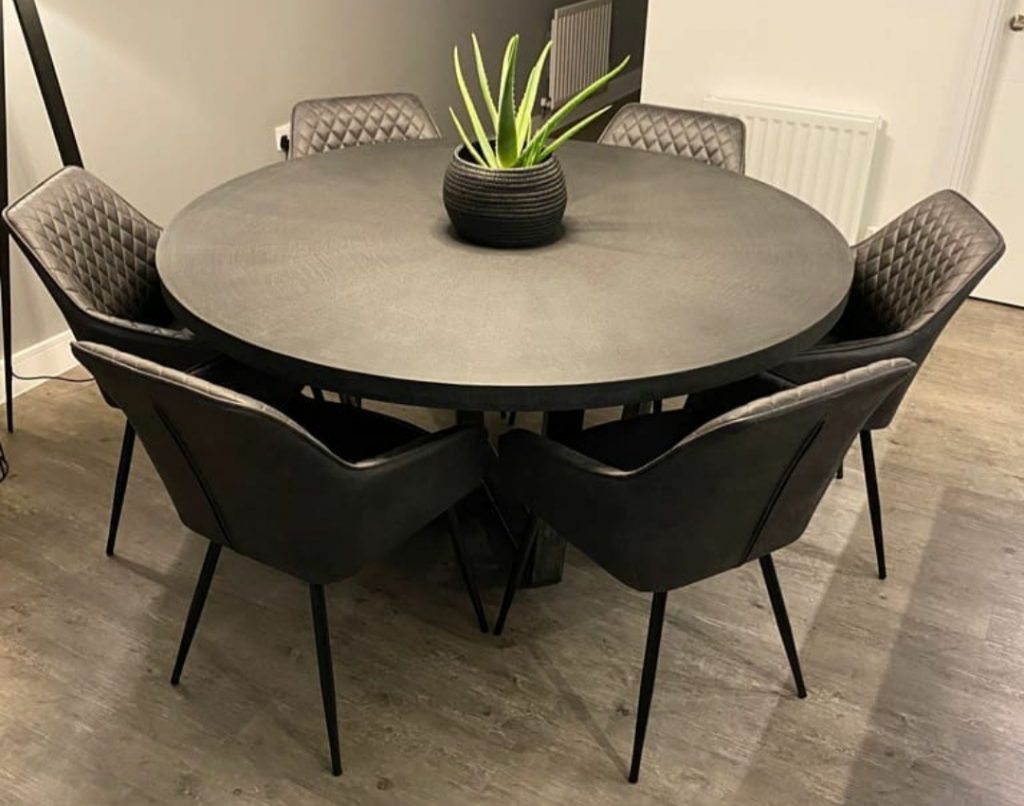
People often focus on length first, but shape can be just as important. Rectangular tables tend to suit long rooms and larger seating numbers. Round tables can soften a kitchen-diner and encourage a more sociable feel, but they need enough surrounding space to breathe. Oval and racetrack forms are useful in open-plan rooms where you want generous seating without harsh corners.
Leg placement matters too. A beautifully made top can still be awkward if the base restricts chairs or knees. If you host often, or need end seating, this should be discussed early. The most successful commissions balance visual impact with the simple question of whether everyone can sit comfortably.
Be honest about daily life
A bespoke piece should suit real life, not a fantasy version of it. If you have children, entertain often, work from the dining table or want something that can handle daily wear without fuss, say so from the outset. Materials and finishes behave differently, and good makers will guide you accordingly.
Polished concrete is a good example of where perception and reality do not always match. People sometimes assume it will be cold, fragile or difficult to maintain. In practice, when it is made and sealed properly, it can be remarkably hard-wearing and very well suited to everyday use. At the same time, it is a hand-finished material with natural tonal variation, and that character is part of its appeal. Bespoke clients usually appreciate that they are getting a one-off surface, not a factory-perfect imitation of one.
Choosing materials and finishes with confidence
Material choice is where style and practicality meet. Timber brings warmth and grain. Stone carries natural drama. Polished concrete offers a cleaner, more architectural look with a distinctly modern edge. None is universally better. It depends on the room, the atmosphere you want and how the furniture will be used.
If your interior leans contemporary, a concrete table can act as a stunning centre piece without feeling flashy. Its surface has depth rather than shine, presence rather than ornament. It works particularly well in renovated kitchens, steel-framed extensions and spaces where clean lines need a little texture to avoid feeling flat.
Finish choices deserve proper attention as well. Colour, edge detail and base style all affect the final character of the piece. A lighter tone may feel softer and more understated. A darker finish can look sharper and more dramatic. Slim legs might suit a pared-back interior, while a bolder base can turn the table into a more sculptural statement. What looks best depends partly on taste and partly on scale. A large top usually needs enough visual support beneath it.
Expect samples and conversation
A good commission is collaborative. You should expect guidance, material samples or finish references, and straightforward advice about what will work. This is not about being sold endless options. It is about narrowing decisions so the final design feels coherent.
Sometimes a standardised collection is the better fit. If a maker offers established six, eight or ten-seater designs, these can provide better price efficiency and shorter lead times while still delivering a strong design. Bespoke makes sense when your room, preferences or sizing requirements move beyond those parameters.
Lead times, access and the practical details people forget
The most common mistake in bespoke furniture projects is leaving logistics too late. It is easy to get carried away by dimensions and finishes and forget to ask how the piece will actually reach the room.
Check access from the start. Measure front doors, hallways, stairwells, tight turns and any tricky thresholds. In some homes, the challenge is not the table’s final size but the route into the property. Professional makers will often discuss delivery and installation early because there is little point designing a perfect piece that cannot be brought in safely.
Lead time matters too. Bespoke furniture is made, not pulled from warehouse stock. Depending on the complexity of the build, the material and the maker’s schedule, timeframes can vary. That does not make bespoke inconvenient. It simply means the process rewards planning, especially if the table is tied to a renovation deadline or house move.
Price and value are not the same thing
Bespoke furniture usually costs more than mass-produced alternatives, but the comparison is not always fair. You are paying for made-to-measure design, skilled fabrication, hand-finishing, consultation and a result tailored to your room. If the alternative is buying twice because the first piece was a compromise, bespoke can prove the better long-term decision.
That said, there are sensible ways to control budget. Standard shapes tend to be more efficient than highly unusual forms. Existing collection sizes can be more cost-effective than fully custom dimensions. Some finish or base options will also affect the final figure. A good maker should be clear about where costs rise and where there is room to refine the brief without losing the essence of the design.
How to choose the right maker
The person making your furniture matters as much as the furniture itself. Look for a specialist with a recognisable body of work, not someone trying to be all things to all clients. Depth of experience shows in the questions they ask, the consistency of their finish and the confidence with which they guide the process.
Past projects are useful because they reveal more than style. They show whether the maker understands proportion, whether the finish looks resolved across different settings and whether large pieces feel considered rather than simply oversized. Testimonials help too, particularly when they mention communication, installation and how the furniture performs over time.
This is one reason many clients prefer a direct, consultation-led process. Speaking to the person behind the work gives reassurance that details will not be lost between departments. For bespoke concrete dining tables, that specialist guidance is particularly valuable because the material has its own design language and technical considerations.
Daniel Polished Concrete has built its reputation on exactly that sort of focused expertise – creating hand-finished statement tables that are tailored to the room, built for everyday use and delivered with the confidence that comes from thousands of completed projects.
A well-commissioned piece should feel inevitable once it is in place, as though the room had been waiting for it all along. If you approach the process with clear measurements, honest priorities and the right maker, bespoke furniture stops feeling complicated and starts feeling wonderfully precise.