

Red wine at Sunday lunch, turmeric from a midweek curry, felt tip pen from a homework session – a dining table earns its keep quickly. If you are looking for a stain resistant dining table surface, the real question is not simply which material resists marks on day one. It is which surface still looks right for your home after years of meals, hosting and everyday family life.
That is where material choice matters. A beautiful table should be practical, but practicality means different things depending on how you live. A household with young children, frequent dinner parties and an open-plan kitchen will ask much more of a dining table than a formal room used once a week. The best choice sits at the point where performance, maintenance and design all feel right together.
What makes a stain resistant dining table surface?
A stain resistant dining table surface does not absorb spills easily, does not react badly to common food acids, and can be cleaned without fuss. That sounds simple, but resistance depends on more than the raw material alone. Surface finish, sealers, texture and even colour all influence how forgiving a table feels in use.
For example, some natural materials are inherently porous but perform very well once properly sealed. Others are non-porous by nature yet may scratch more obviously, which creates a different kind of wear. A table can be highly stain resistant and still be the wrong choice if everyday use leaves it looking tired in other ways.
This is why the conversation should move beyond marketing claims. “Easy care” can mean very different things from one maker to another. Good furniture is honest about trade-offs.
The main materials compared
Wood remains a popular choice because it brings warmth and familiarity, but it is rarely the strongest answer if stain resistance is your top priority. Oak, walnut and other hardwoods can be protected with oils, lacquers or specialist finishes, yet they are still vulnerable to water marks, oil penetration and colour change over time. For many people that is part of the charm. For others, especially in a busy family kitchen, it becomes a source of low-level worry.
Laminate and compact laminate perform well on stain resistance and are often easy to wipe clean. They suit contemporary interiors and can be cost-effective, but they do not usually deliver the depth, weight and presence buyers want from a premium centrepiece. If you are investing in a forever-home table, they can feel a little too functional.
Ceramic and sintered stone surfaces are among the strongest options for resisting stains, heat and scratches. They are technically impressive and well suited to hard daily use. The question is often aesthetic. Some clients love the crisp, manufactured precision, while others want something with more material character and a more handcrafted finish.
Glass is non-porous and will not stain in the usual sense, but fingerprints, smears and scratching can make it feel high maintenance in a different way. It also changes the visual weight of a room. In some spaces that lightness works beautifully. In others it lacks the grounded architectural presence people want from a dining table.
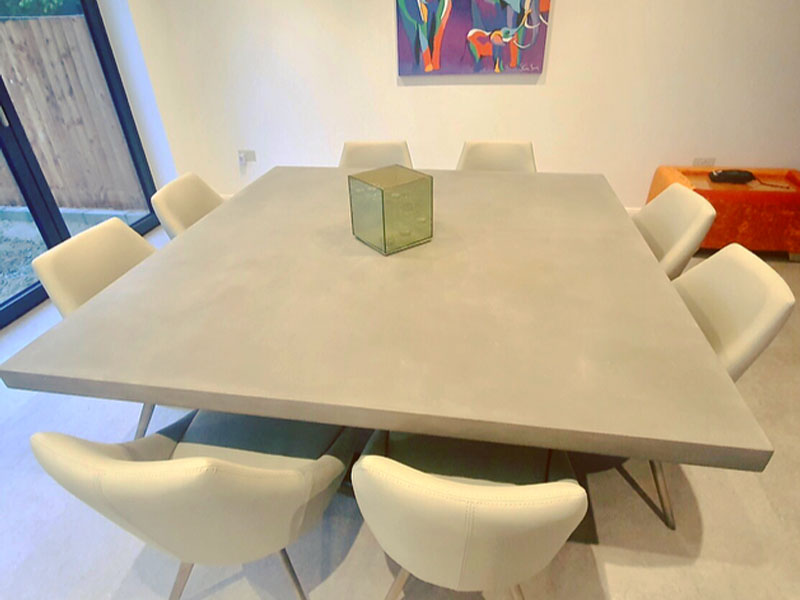
Polished concrete sits in a particularly interesting position. Properly made and correctly sealed, it offers excellent stain resistance for everyday dining while bringing a sculptural, design-led quality that few other materials can match. It has the substance of stone, but with a softer, more bespoke character. Each piece is hand-finished, so the result feels individual rather than mass produced.
Why polished concrete works so well in dining spaces
The appeal of polished concrete is not only that it performs. It also looks at home in the kinds of spaces many homeowners are creating now – large kitchen extensions, open-plan layouts, architectural renovations and modern country homes with cleaner lines.
A polished concrete table has visual calm. It can anchor a room without shouting, which matters when the dining area is part of a wider living space. At the same time, it has enough presence to act as a stunning centrepiece. That balance is hard to achieve with lighter or more obviously decorative materials.
From a practical point of view, a sealed polished concrete dining table surface handles everyday spills very well when cared for properly. Coffee, wine, oils and sauces are far less of a concern than many people assume. The sealant is doing important work here, creating a protective barrier that helps prevent liquids from soaking into the surface.
There is, however, an important distinction between stain resistant and stain proof. No honest maker should blur that line. If strongly coloured or acidic substances are left to sit for extended periods, any surface can run into trouble, including concrete. The difference is that a well-made, well-sealed concrete table is designed for real life rather than careful display.
A closer look at trade-offs
If your priority is absolute chemical resistance above all else, certain technical ceramics may edge ahead. If your priority is a softer, natural patina that evolves through wear, timber may still win your heart. If you want a table that combines strong everyday stain resistance with bespoke scale, hand-finished character and architectural style, polished concrete is a compelling answer.
Weight is one consideration. Concrete tables have presence, and that comes with mass. In most premium interiors this is part of the appeal, but access, delivery and installation need to be thought through properly. The right maker will plan this with you from the start, especially for larger 8, 10 or 12 seater pieces.
Surface character is another point worth understanding. Concrete is not meant to look factory-perfect in the way glass or some ceramic products do. It has subtle tonal variation and a more organic finish. For many clients, that is exactly why it feels special. If you want complete visual uniformity, another material may suit you better.
How finish and sealing affect stain resistance
When people compare materials, they often overlook the role of finishing. Yet this is where much of the day-to-day performance is won or lost. A poorly sealed table in a theoretically durable material may disappoint, while a carefully finished table can exceed expectations for years.
With polished concrete, sealing should never be treated as an afterthought. It is part of the making process, not an optional extra. The aim is to protect the table while preserving the tactile quality that makes concrete appealing in the first place. Too much surface build-up and the table can look artificial. Too little and it may be vulnerable.
This is where specialist craftsmanship matters. A maker focused on concrete furniture understands how the mix, casting, finishing and sealant system work together. That depth of experience is particularly valuable when producing bespoke dining tables, where proportions, intended use and location all influence the final specification.
Choosing the right stain resistant dining table surface for your home
Start with how your table will actually be used, not just how you want it to look in photographs. A young family may need a forgiving surface that copes with daily mess and regular cleaning. Keen hosts might want something generous in size that still feels refined enough for entertaining. In a quieter household, aesthetics may carry more weight than maximum resistance.
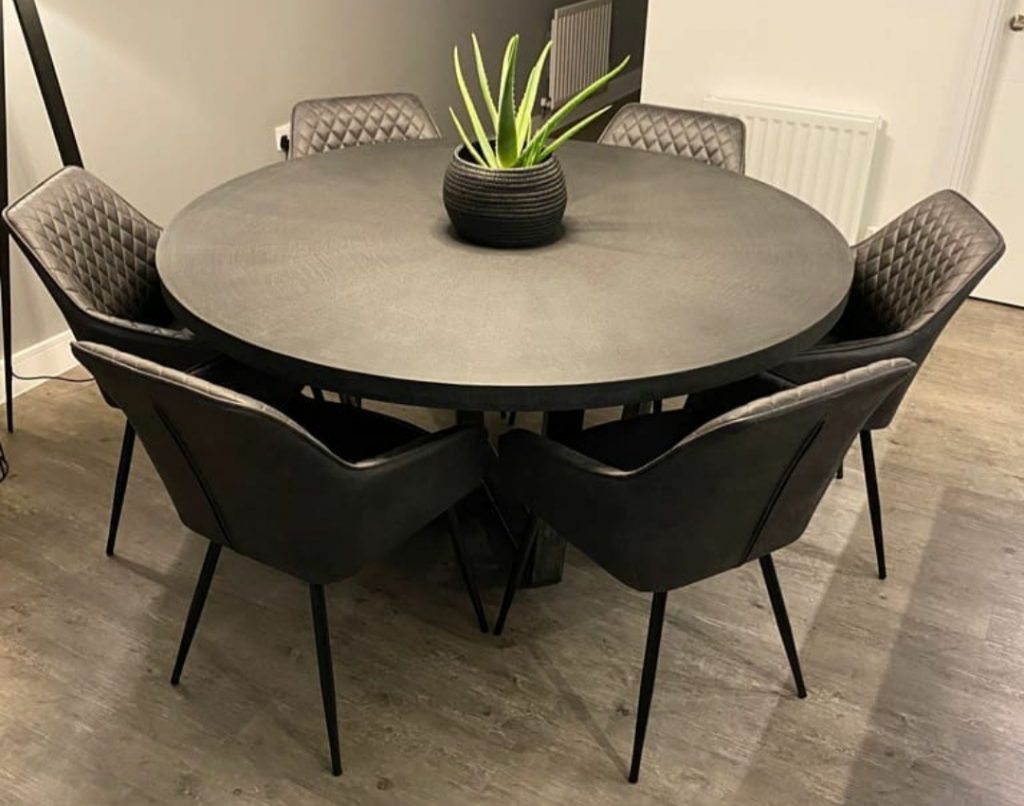
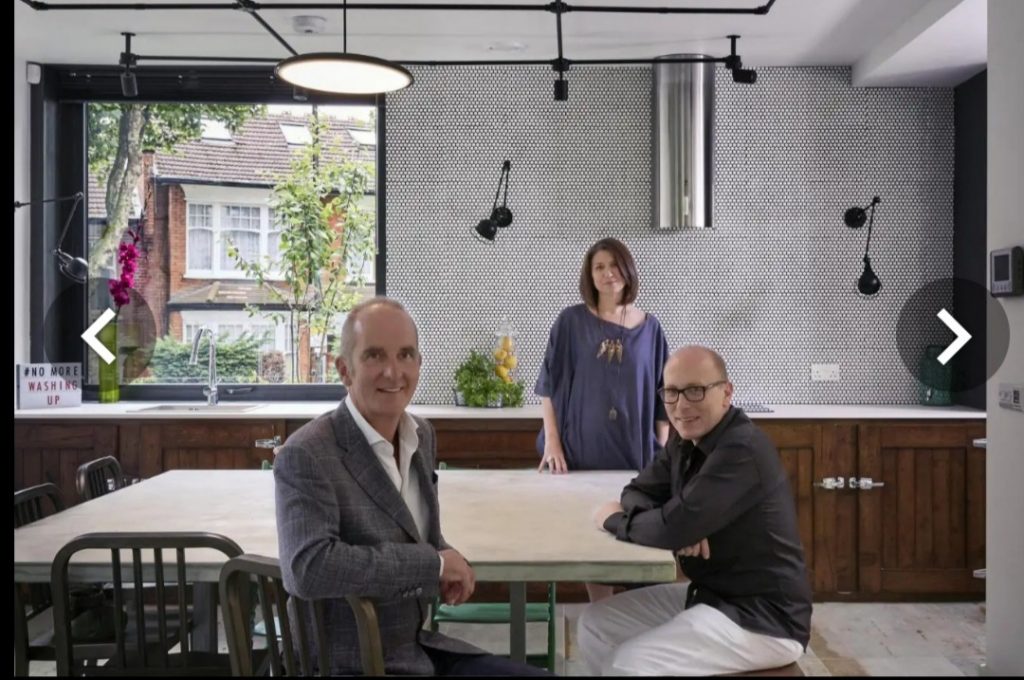
Also think about the wider room. A stain resistant dining table surface should complement your flooring, cabinetry and lighting rather than compete with them. Concrete works particularly well with timber kitchens, black steel details, natural stone, limewashed walls and softer upholstered seating. It can sharpen a rustic scheme or add calm to a more minimal one.
Size and shape matter too. A bespoke table allows you to solve practical design issues that off-the-shelf options rarely address well. That could mean a narrower top for circulation in an open-plan layout, a specific length for large family gatherings, or a finish tone that ties in with the rest of the space.
For many clients, this is the real value of commissioning a table rather than settling for the nearest match. You are not just choosing a material. You are choosing how the piece will live in your home for years.
Care still matters
Even the best stain resistant surface deserves sensible care. Wipe spills promptly, use a mild cleaner, and avoid harsh chemicals that can degrade protective finishes over time. Heat resistance and stain resistance are separate issues, so mats or trivets are still wise for very hot cookware unless your maker advises otherwise.
The good news is that practical care does not need to feel fussy. A well-made dining table should support daily life, not complicate it. That is especially true when you are investing in a handcrafted piece meant to be used, admired and gathered around often.
For homeowners who want a table with real presence, strong everyday performance and a finish that feels made rather than manufactured, polished concrete offers a convincing path. It brings together durability and design in a way that feels particularly suited to modern British homes – and when the piece is built around your room, your routine and your eye, it becomes far more than a surface that resists stains.